Introduction
Clutter accumulates gradually, often without anyone consciously deciding to let it pile up, until suddenly a room, closet, or entire home feels overwhelming and difficult to genuinely enjoy or function within comfortably. Decluttering addresses this accumulated buildup, but the process feels considerably more manageable when approached systematically, room by room, rather than attempting to tackle an entire home simultaneously in one overwhelming effort. This guide walks through decluttering fundamentals, room-specific strategies for common problem areas, deciding what to keep versus release, maintaining a decluttered space long-term, and handling sentimental items that complicate the decluttering process. The goal is helping you reclaim genuinely functional, enjoyable living space through a manageable, room-by-room approach rather than an overwhelming, all-at-once attempt that often ends in abandonment partway through.
Successful decluttering isn’t about achieving a magazine-perfect, minimalist home—it’s about creating space that genuinely functions well for how you actually live, free from the accumulated items that no longer serve a real purpose.
Starting With a Manageable Approach
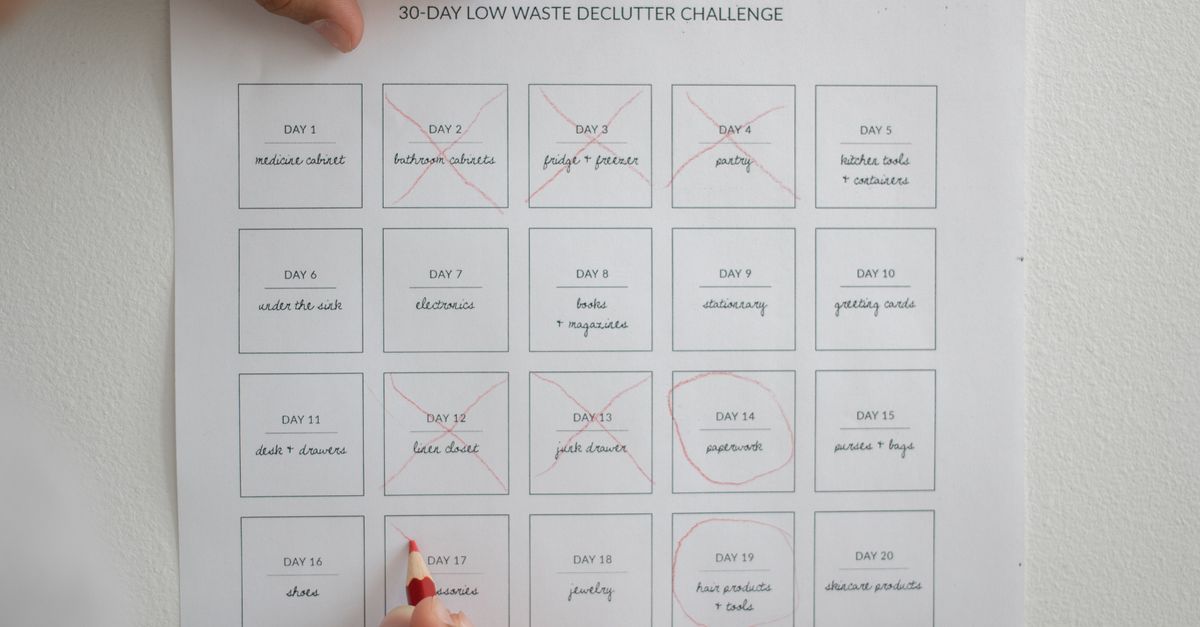
Rather than attempting to declutter your entire home in a single overwhelming weekend, breaking the project into room-by-room or even section-by-section sessions makes the overall task considerably more manageable and sustainable. Starting with a smaller, less emotionally complicated space—perhaps a bathroom or entryway—builds momentum and confidence before tackling more challenging areas like a garage or a closet full of sentimental items.
Setting a specific, limited time frame for each decluttering session, perhaps thirty to sixty minutes, prevents decision fatigue that can derail longer, more exhausting sessions, while still making genuine, visible progress that motivates continued effort in subsequent sessions over the following days or weeks.
Kitchen Decluttering Strategies
Kitchens often accumulate duplicate tools, expired pantry items, and single-purpose gadgets that seemed appealing at purchase but rarely get genuine ongoing use. Start by removing everything from a specific cabinet or drawer, then only return items you’ve used within the past year and genuinely plan to continue using regularly going forward.
Expired pantry items and spices that have lost their potency should be discarded regardless of any reluctance to waste them, since keeping ineffective seasonings or spoiled food provides no genuine value while continuing to occupy valuable kitchen storage space that could hold items you actually use.
Bedroom and Closet Decluttering
Clothing represents one of the most commonly over-accumulated categories in most homes, with closets often containing items that no longer fit, no longer suit current style preferences, or simply haven’t been worn in years despite technically remaining wearable. Applying a simple rule—if you haven’t worn something in over a year, seriously consider whether it genuinely earns continued closet space—helps make these decisions more objective and less emotionally fraught.
Bedside tables and dresser tops often accumulate small clutter items over time, benefiting from periodic clearing and only returning items with a genuine, designated purpose in that specific location rather than allowing random accumulated items to permanently occupy that visible surface space.
Living Room and Shared Space Decluttering
Shared living spaces often accumulate clutter from multiple household members, making clear expectations and designated storage spots for different item categories particularly important for maintaining organization in these commonly used areas. Media, books, and decorative items benefit from periodic review, releasing anything that no longer genuinely serves your current interests or aesthetic preferences.
Electronics and their associated cables often accumulate in living spaces, with many households keeping cables and chargers for devices no longer owned or used. A dedicated review of these items, testing what’s actually still needed and functional, typically reveals considerable clutter that can be responsibly recycled or discarded.
Bathroom Decluttering Considerations
Bathrooms often accumulate expired or barely used beauty and personal care products, purchased with good intentions but rarely used consistently enough to be worth keeping indefinitely. Checking expiration dates on products, particularly for items like sunscreen or certain skincare products that genuinely lose effectiveness over time, provides objective criteria for release decisions.
Towels and linens beyond what your household genuinely uses regularly can be donated to animal shelters or other organizations that accept these items even when too worn for continued personal use, providing a positive outlet for items that no longer earn a place in your own bathroom storage.
Deciding What to Keep Versus Release
Beyond simple usage frequency, consider whether an item still serves a genuine function or brings authentic value to your life, versus simply existing out of habit, guilt, or the sunk cost of the original purchase price. Items kept purely out of guilt about their cost or a gift-giver’s feelings, without genuine ongoing use or appreciation, often deserve release despite this emotional complication.
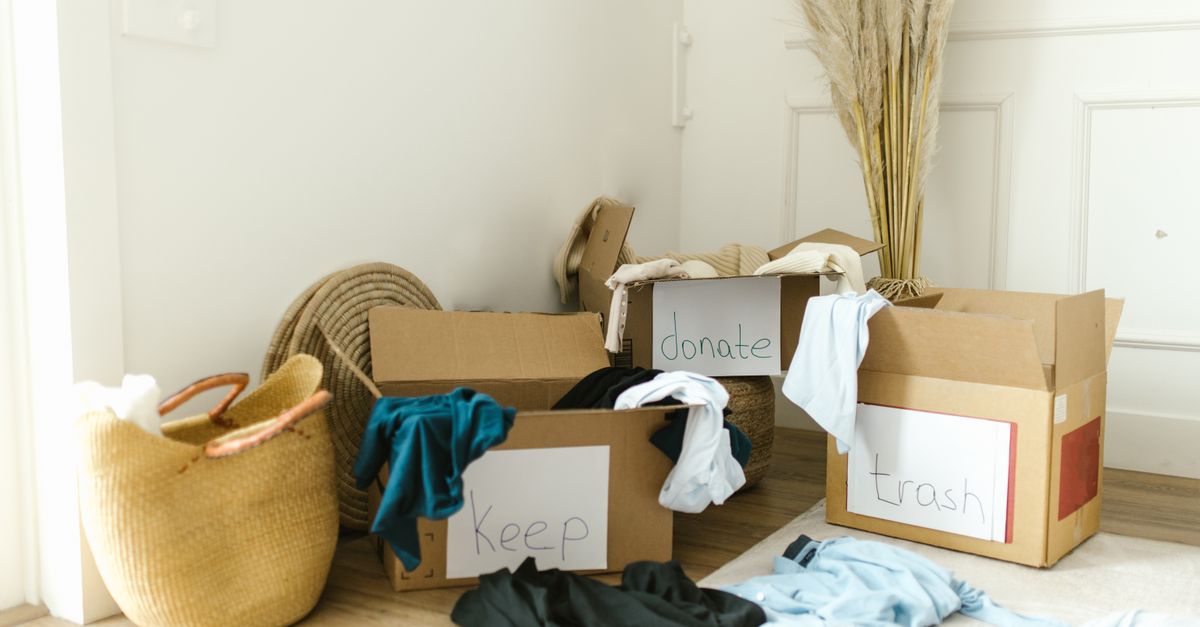
For genuinely difficult decisions, a temporary “maybe” box, revisited after a set period like three or six months, can provide a lower-pressure alternative to immediate decisions, letting you observe whether you actually miss or seek out items placed in this temporary holding space before making a final decision.
Handling Sentimental Items Thoughtfully
Sentimental items present genuine decluttering challenges, since their value lies in emotional connection rather than practical function, making standard usage-based decluttering criteria less directly applicable. Rather than keeping every sentimental item indefinitely, consider selecting genuinely meaningful representative pieces rather than attempting to keep every related item from a particular period or relationship.
Photographing sentimental items before releasing them provides a way to preserve the memory and visual connection without requiring physical storage space indefinitely, offering a middle ground between keeping everything and releasing items that still carry some genuine emotional significance for you.
Maintaining a Decluttered Space Long-Term
Decluttering provides only temporary benefit without ongoing habits that prevent re-accumulation of clutter over subsequent months and years. Adopting a general practice of releasing an item when bringing something new into a category—one in, one out—helps maintain your decluttered baseline rather than allowing gradual creep back toward previous clutter levels.
Periodic maintenance sessions, perhaps quarterly, catch new accumulation before it becomes overwhelming again, addressing the reality that some degree of ongoing accumulation is normal and expected rather than a sign that your initial decluttering effort failed or wasn’t thorough enough.
Involving the Whole Household
Decluttering shared spaces works best when all household members genuinely participate in decisions about shared items, rather than one person unilaterally deciding what stays and what goes for everyone else’s belongings and shared spaces. This collaborative approach, while sometimes requiring more time and negotiation, produces more sustainable results than decisions imposed without buy-in from everyone affected.
Teaching children age-appropriate decluttering skills and involving them in decisions about their own belongings builds valuable life skills while also making the overall household decluttering process more collaborative and less burdensome for any single family member handling everything alone.
Handling Garage and Storage Area Clutter
Garages, basements, and attics often become default dumping grounds for items without a clear home elsewhere, accumulating into overwhelming clutter that many households avoid addressing for years due to the sheer scale of the task. Breaking these larger spaces into smaller sections, tackling one defined zone per session, makes even significantly cluttered storage areas manageable over a series of sessions rather than one overwhelming attempt.
Items stored in these spaces for years without being accessed or even remembered are strong candidates for release, since their genuine lack of use over an extended period suggests they’re not truly needed regardless of their original purchase cost or the reasons they were initially stored there.
Preventing Clutter From Returning
Understanding the sources of clutter accumulation—impulse purchases, unaddressed mail, gifts you don’t genuinely need—helps you address root causes rather than only treating symptoms through periodic decluttering sessions alone. A brief pause before purchases, asking whether an item genuinely fits an established need or space, prevents much clutter from entering your home in the first place.
Establishing a clear system for handling incoming mail and paperwork immediately, rather than letting it accumulate in random piles, prevents one of the most common and persistent sources of ongoing household clutter that many families struggle with continuously despite otherwise reasonably organized homes.
Conclusion
Decluttering your home room by room, using objective criteria for keep-versus-release decisions and thoughtful approaches for sentimental items, creates genuinely more functional, enjoyable living space without requiring an overwhelming, all-at-once effort. Maintaining this decluttered state through ongoing habits and periodic maintenance sessions, combined with genuine household-wide participation, ensures your decluttering effort produces lasting results rather than temporary improvement that gradually reverts to previous clutter levels over time.
FAQs
1. How long does decluttering an entire home typically take?
This varies considerably based on home size and accumulated clutter, though breaking the project into room-by-room sessions over several weeks makes the overall process more manageable than attempting everything at once.
2. What should I do with items I’m decluttering but that still have value?
Consider donation, consignment, or selling through online marketplaces, providing genuine value to others while responsibly releasing items from your own space.
3. How do I handle sentimental items I’m ready to release but feel guilty about?
Photographing items before release preserves the memory without requiring indefinite physical storage, offering a middle ground for genuinely difficult sentimental decisions.
4. Is it normal to feel resistant to decluttering certain items?
Yes, completely normal. A temporary “maybe” box, revisited after a set period, provides a lower-pressure approach for items you’re genuinely uncertain about releasing immediately.
5. How often should I do maintenance decluttering after an initial big effort?
Quarterly maintenance sessions help catch new accumulation before it becomes overwhelming, though this frequency can be adjusted based on your household’s specific accumulation patterns.