Introduction
Minimalism has grown in popularity partly as a reaction against consumer culture’s constant pressure to accumulate more possessions, yet the concept means genuinely different things to different people, ranging from extreme possession minimalism to simply a more intentional, less cluttered approach to everyday living. Understanding minimalism as a flexible framework rather than a rigid set of rules helps you adapt its genuinely useful principles to your own life rather than feeling pressured toward an extreme version that doesn’t suit your actual circumstances and preferences. This guide walks through minimalism’s core philosophy, practical starting strategies, applying minimalist principles beyond physical possessions, maintaining a minimalist approach long-term, and adapting minimalism realistically for family life. The goal is helping you explore whether minimalist principles could genuinely improve your daily life without requiring extreme, impractical lifestyle changes that don’t fit your real circumstances.
Minimalism isn’t about deprivation or achieving some perfect, sparse aesthetic—it’s about intentionally choosing what genuinely adds value to your life and releasing what doesn’t, creating more space, both physical and mental, for what actually matters.
Understanding Minimalism’s Core Philosophy
At its foundation, minimalism involves intentionally examining what you own and how you spend your time and money, keeping only what genuinely serves a purpose or brings authentic value, while releasing excess that accumulated without deliberate consideration. This philosophy extends beyond physical possessions to encompass commitments, relationships, and how you allocate your limited time and attention.
Rather than a fixed destination with a specific number of possessions or a particular aesthetic, minimalism functions more as an ongoing practice of intentional evaluation, applied differently by different people based on their genuine values, lifestyle, and circumstances rather than following someone else’s specific prescribed formula for minimal living.
Starting Your Minimalism Journey Practically
Rather than attempting a dramatic, immediate transformation, starting with a single category—perhaps clothing or kitchen items—provides a manageable entry point for experiencing minimalism’s genuine benefits before expanding the approach to other areas of your life and home. This gradual approach also lets you assess which specific principles resonate with you personally before committing more broadly.
Setting personal criteria for what earns space in your life, whether based on frequency of use, genuine joy or value provided, or functional necessity, gives you a practical framework for ongoing decisions rather than vague, unclear goals about simply “owning less” without specific, actionable guidance.
Applying Minimalism to Physical Possessions
Beginning with genuinely excess items—duplicates, unused gifts, things kept purely out of habit—provides an accessible starting point before tackling more emotionally complicated categories like sentimental items or larger, more significant purchases. This approach builds confidence and demonstrates genuine benefits before requiring more difficult decisions.
Rather than rigid numerical targets, like owning only a specific number of items, most sustainable minimalist approaches focus on intentionality—does each possession genuinely serve a purpose or bring real value—rather than an arbitrary quantity that might not actually reflect meaningful minimalist principles applied thoughtfully to your specific life.
Minimalism Beyond Physical Possessions
Digital minimalism, applying similar principles to email, apps, files, and digital subscriptions, addresses the often-overlooked accumulated digital clutter that can create similar mental burden to physical clutter despite occupying no physical space. Unsubscribing from unused email lists, deleting unused apps, and organizing digital files reduces this less visible but genuinely real source of mental clutter and distraction.
Commitment minimalism, intentionally evaluating which obligations, activities, and relationships genuinely align with your values and provide authentic value, extends minimalist thinking to how you spend your limited time, often revealing that some commitments persist purely from habit or obligation rather than genuine ongoing value or interest.
Financial Benefits of Minimalist Living
Reduced consumption naturally tends to reduce spending, since minimalist principles encourage more intentional evaluation before purchases rather than impulsive buying driven by marketing or momentary desire without genuine consideration of lasting value. This financial benefit, while not the primary motivation for most minimalist practitioners, provides a genuine practical advantage alongside the psychological and lifestyle benefits.
Redirecting money previously spent on unnecessary accumulation toward experiences, savings, or genuinely valued purchases often provides more lasting satisfaction than the fleeting pleasure of acquiring items that ultimately become part of accumulated, underused clutter within months of purchase.
Maintaining Minimalism Long-Term
Minimalism requires ongoing practice rather than a single decluttering event, since the same cultural and marketing pressures that led to initial accumulation continue exerting influence indefinitely without conscious, ongoing resistance and intentional decision-making. Regular reflection on new potential purchases, questioning whether they genuinely align with your minimalist values, helps maintain your intentional approach over time.
Recognizing and planning for moments of particular vulnerability to accumulation—stress-driven shopping, sales and marketing pressure, gift-giving occasions—helps you maintain minimalist principles even during circumstances that specifically challenge intentional consumption habits and decision-making.
Adapting Minimalism for Family Life
Minimalism looks considerably different for families with children compared to single individuals or couples, since children’s needs, interests, and associated items genuinely change frequently, requiring more flexibility than a rigid minimalist approach designed for adult-only households might accommodate. Focusing on intentionality rather than a specific minimal quantity works better for family contexts with these genuinely evolving needs.
Teaching children minimalist principles appropriate to their age, involving them in decisions about their own belongings, and modeling intentional consumption habits yourself all contribute to raising children with a healthier, more intentional relationship with possessions than pure accumulation-focused consumer culture typically encourages.
Avoiding Minimalism Perfectionism
Social media often presents an aspirational, aesthetically curated version of minimalism that can create unhelpful pressure toward an extreme, visually perfect standard rather than the genuinely practical, personally beneficial approach that actual sustainable minimalism typically involves. Recognizing this gap between aspirational imagery and genuine practical minimalism helps you avoid unnecessary pressure or disappointment.
Your version of minimalism should genuinely serve your actual life and values rather than matching an external aesthetic standard, meaning some possessions that might not fit a strict minimalist aesthetic but genuinely serve your life and bring real value deserve to stay regardless of how they might appear in an idealized social media presentation.
Minimalism and Mental Clarity
Beyond the practical and financial benefits already discussed, many minimalism practitioners report genuine improvements in mental clarity and reduced decision fatigue, since fewer possessions and commitments mean fewer ongoing decisions about maintenance, organization, and management competing for limited daily attention and mental energy. This psychological benefit, while harder to measure than financial savings, often proves genuinely significant for those who experience it consistently.
Reduced visual clutter in living spaces has also been associated with reduced stress and improved ability to focus in various studies, suggesting that the environmental benefits of minimalist living extend beyond simple practical convenience into genuine measurable wellbeing improvements for many people who adopt these principles thoughtfully.
Common Misconceptions About Minimalism
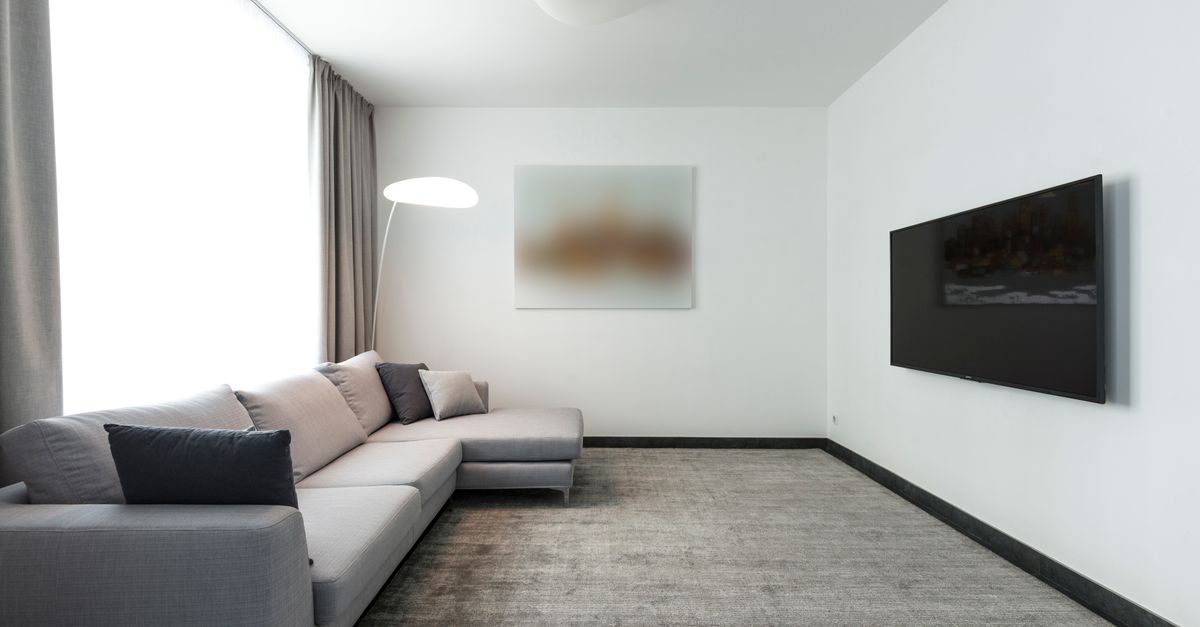
A common misconception assumes minimalism requires an entirely white, sparse, sterile-looking home, when genuine minimalist practice actually accommodates enormous personal variation in aesthetic preference, as long as the underlying principle of intentional possession remains consistent. Colorful, personality-filled homes can be just as genuinely minimalist as monochrome ones, provided the possessions within them are thoughtfully chosen rather than accumulated without genuine consideration.
Another common misconception assumes minimalism is only accessible to wealthy people who can afford to be selective, when in practice many minimalist principles particularly benefit those with more limited budgets, since intentional spending naturally reduces waste on items that don’t genuinely serve lasting value or purpose.
Minimalism as an Ongoing Practice, Not a Destination
Viewing minimalism as a continuous practice rather than a final destination you eventually reach and complete removes the pressure of achieving some perfect, permanent state, instead framing it as an ongoing relationship with your possessions and commitments that naturally evolves throughout different life stages. This framing supports more sustainable, less pressured engagement with minimalist principles over the long term.
Regularly revisiting your reasons for pursuing minimalist principles in the first place, especially during moments of doubt or when facing social pressure to accumulate more, helps maintain genuine motivation and connection to your underlying values rather than treating minimalism as an arbitrary rule imposed from outside yourself.
Conclusion
Minimalism, understood as intentional evaluation rather than rigid deprivation, offers genuine benefits for many people willing to adapt its core principles to their own specific life and circumstances. Starting gradually, applying principles beyond just physical possessions, and maintaining ongoing intentionality rather than treating minimalism as a single event all contribute to sustainable, genuinely beneficial practice. Avoiding comparison to idealized, aesthetic-focused versions of minimalism helps ensure your approach genuinely serves your actual life rather than an external standard that doesn’t reflect your real values and circumstances.
FAQs
1. Do I need to own a specific small number of items to be minimalist?
No, minimalism is better understood as intentional evaluation of what genuinely serves your life rather than adherence to a specific numerical possession count or target.
2. Is minimalism practical for families with children?
Yes, though it requires more flexibility than approaches designed for adult-only households, given children’s genuinely evolving needs and interests over time.
3. Does minimalism mean I can never buy anything new?
No, minimalism encourages intentional purchasing rather than complete consumption avoidance, focusing on whether new items genuinely align with your values and needs.
4. Can minimalism apply to things beyond physical possessions?
Yes, many practitioners extend minimalist principles to digital clutter, commitments, and relationships, applying similar intentional evaluation across multiple life areas.
5. How do I avoid minimalism becoming another source of pressure or perfectionism?
Focus on what genuinely serves your actual life rather than comparing to idealized aesthetic standards presented on social media or elsewhere.